There are remote islands.
There are hard-to-reach islands.
And then there is Bouvetøya.
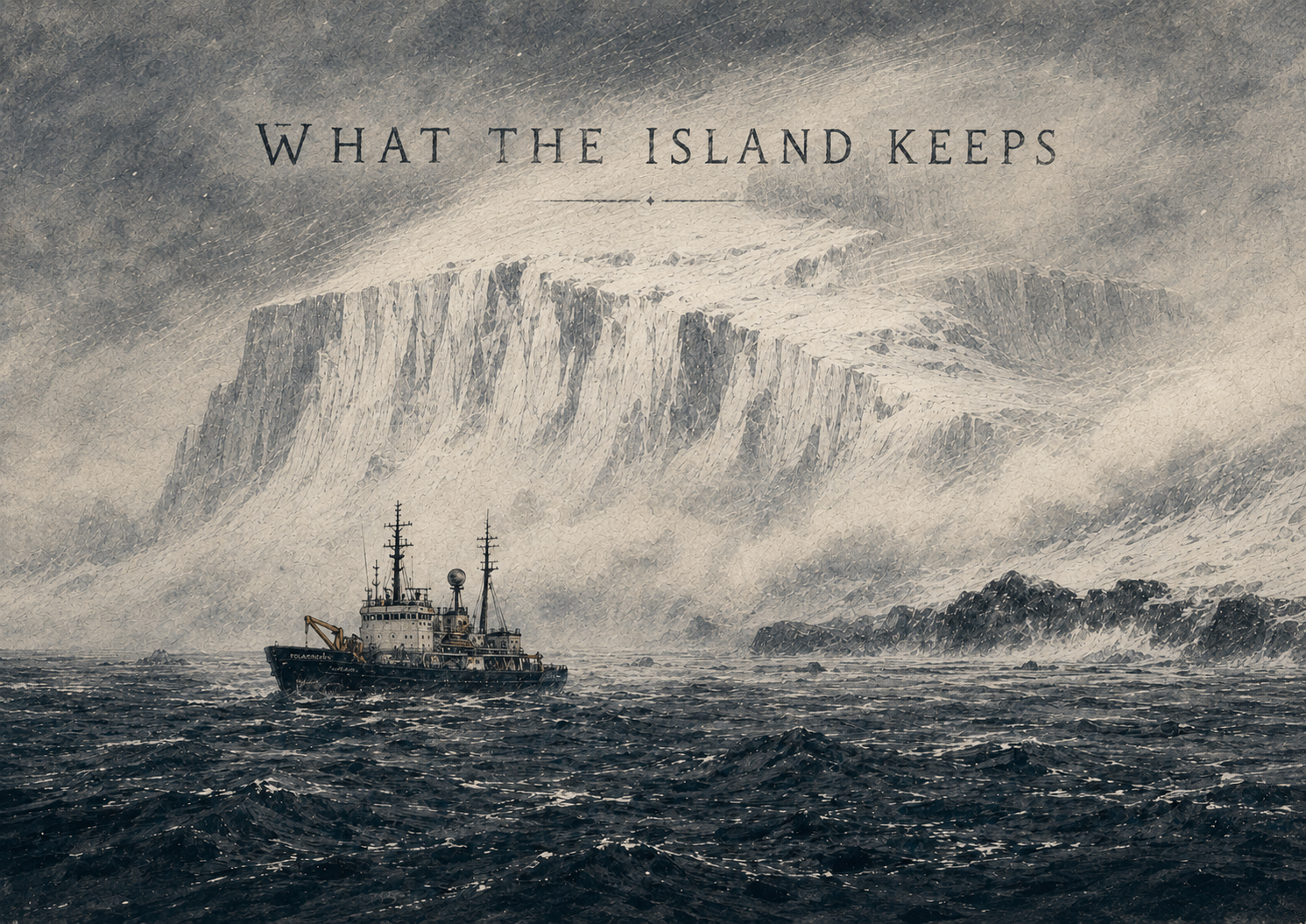
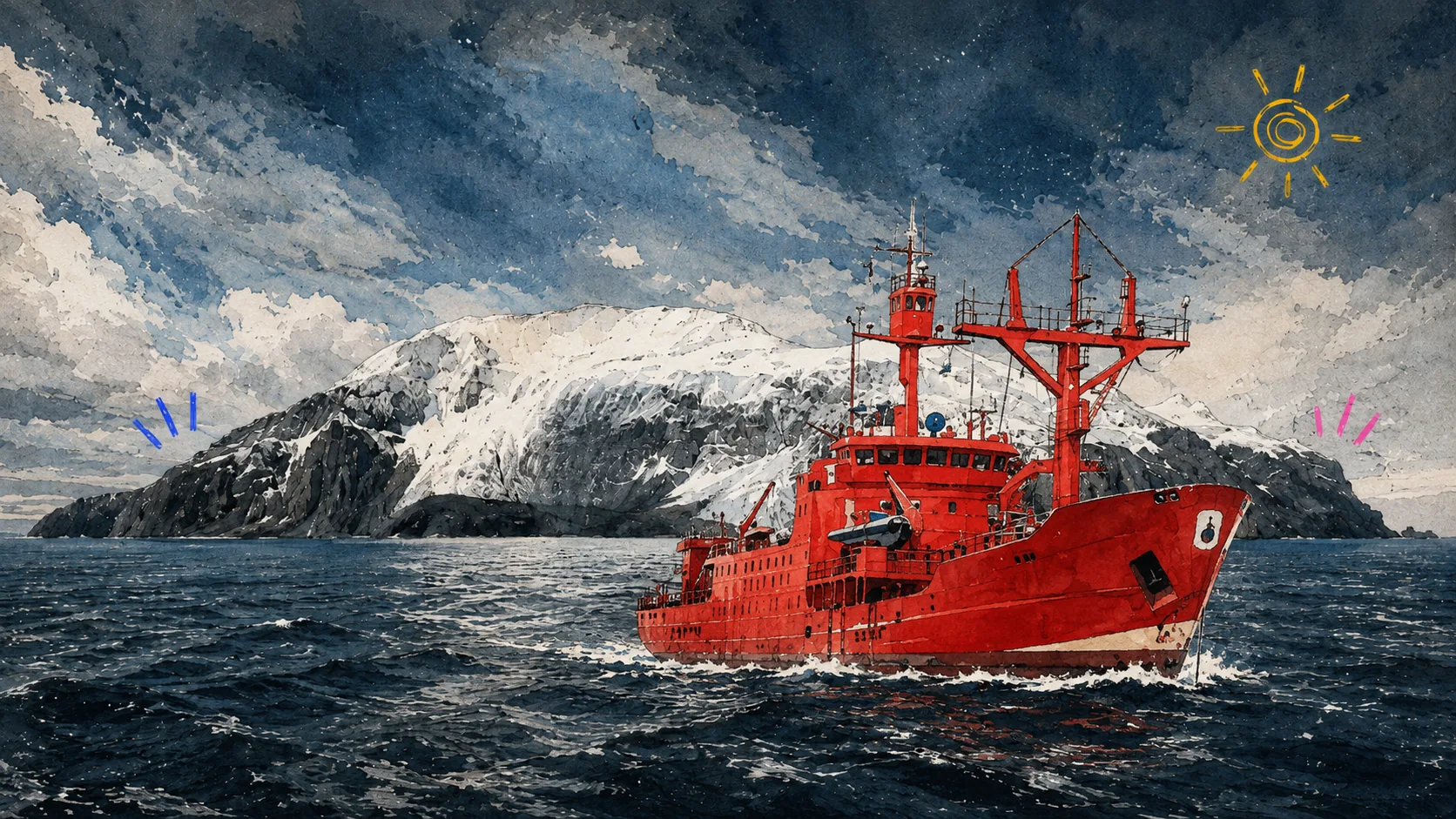
A volcanic speck in the South Atlantic Ocean, covered in ice, surrounded by cliffs, and located so far from almost everything that it often appears on lists of the most isolated places on Earth.
Naturally, Mila saw a photo and said:
"That can't be real."
Vera immediately started looking at maps.
That was the first mistake.
The second was assuming you could simply visit.
So, Can You Visit Bouvetøya?
Technically? Yes.
Realistically? Probably not.
Bouvetøya is an uninhabited Norwegian territory located roughly halfway between Antarctica and southern Africa. There are no hotels, no visitor center, no airport, no harbor, and absolutely no souvenir shop selling "I Survived Bouvetøya" mugs.
In fact, reaching the island is considered difficult even for professional scientific expeditions.
The weather is brutal, the coastline is dangerous, and landing opportunities are extremely limited.
Wrong turn status: extreme.
Why Is It So Difficult To Reach?
Most islands welcome visitors.
Bouvetøya seems actively opposed to the idea.
The island is covered by glaciers, steep cliffs rise directly from the ocean, and rough seas regularly make landings impossible.
Even getting close can be a challenge.
Ships may spend days waiting for suitable conditions, only to discover that the weather has different plans.
No one told us the island's biggest attraction would be a complete lack of accessibility.
A Place Few People Ever See
Most people will never visit Bouvetøya.
Many experienced travelers won't either.
And that's part of what makes it fascinating.
Unlike famous remote destinations that eventually become tourist hotspots, Bouvetøya remains largely untouched. There are no permanent residents, almost no infrastructure, and very few human footprints.
The island feels less like a destination and more like a geographical mystery that somehow escaped becoming famous.
Or, as Mila described it:
"It looks like a place invented by a dramatic geography teacher."
Fair assessment.
Why Does Norway Own It?
This is where the story gets slightly strange.
Norway claimed Bouvetøya in 1927, and it remains a Norwegian dependency today.
The island has little strategic value for tourists, but it plays a role in scientific research and environmental protection.
Because of its isolation and fragile ecosystem, access is heavily restricted.
This is not the kind of place where you show up with a backpack and a vague plan.
Respect for regulations and the environment comes first.
Some places are better explored through stories.
Bouvetøya might be one of them.
What Would It Feel Like To Stand There?
Imagine:
- Freezing wind.
- Massive glaciers.
- Black volcanic rock.
- Endless ocean in every direction.
- No towns.
- No roads.
- No signal.
Just ice, sea, and the feeling that you've reached the edge of the map.
Vera would probably say:
"Look at this place. It makes no sense. I love it."
Mila would probably say:
"I support adventure. From a reasonable distance."
Both would be correct.
The Wrong Turn Moment
The original plan was simple:
Find an unusual island.
Learn how to get there.
Write down the route.
Then Bouvetøya entered the conversation.
The route quickly transformed from "travel planning" into "reading expedition reports while questioning life choices."
The plan failed.
The story got better.
Classic Wrong Turn Right.