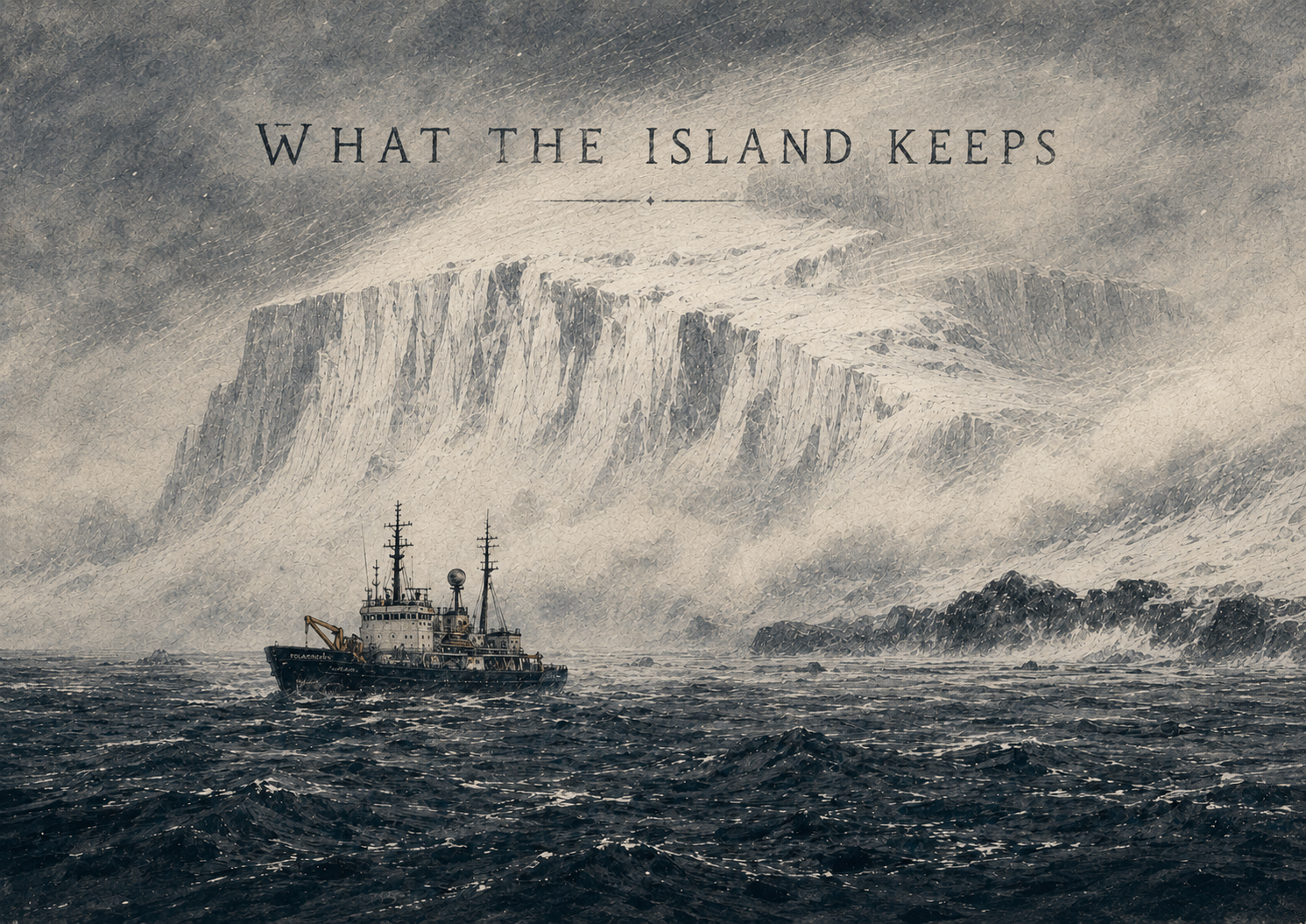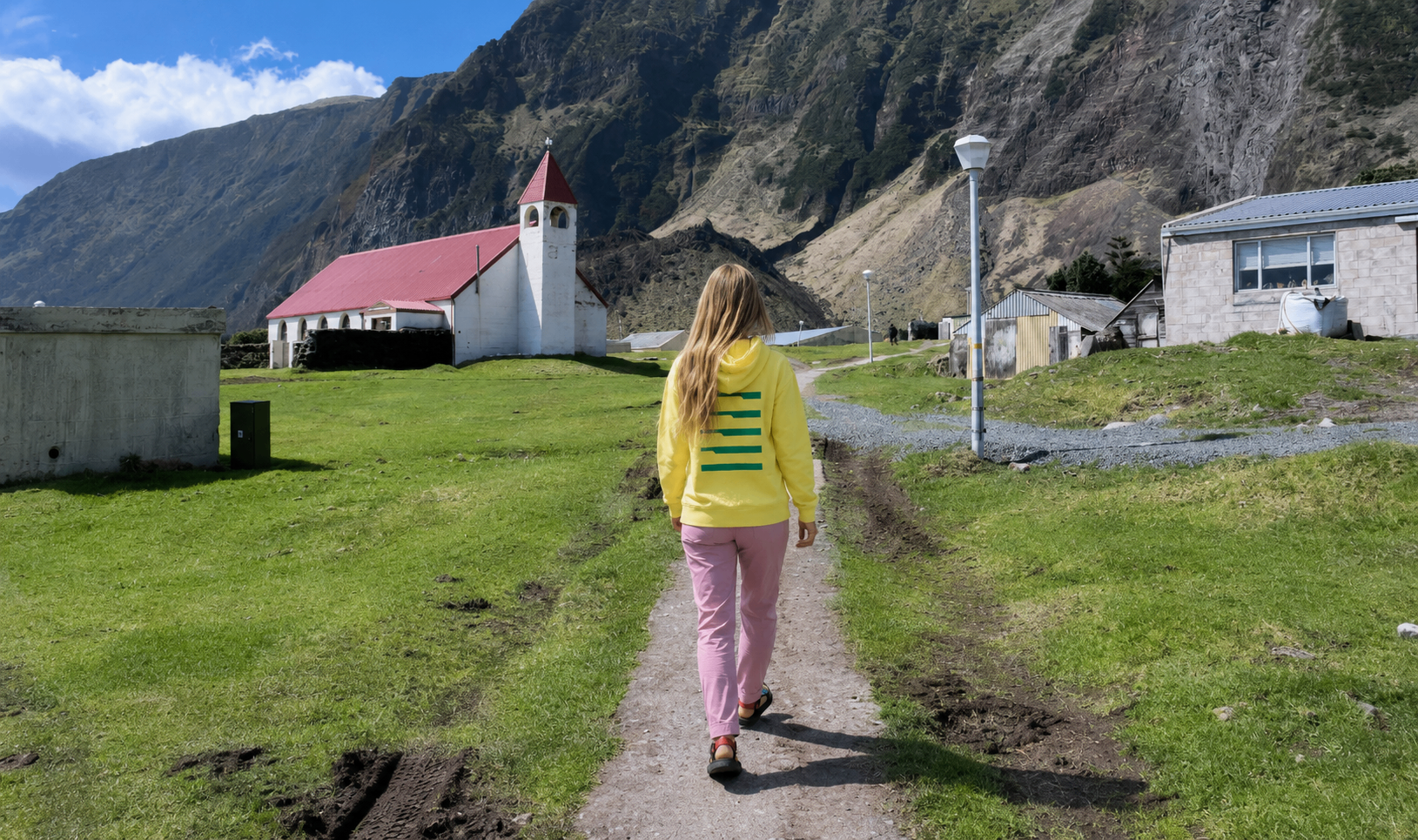
Welcome to Tristan da Cunha — one of the most isolated inhabited places on Earth, sitting alone in the middle of the South Atlantic Ocean with thousands of kilometers of water in every direction.
Wrong turn approved.
So, Where Is Tristan da Cunha?
Tristan da Cunha is a remote volcanic island belonging to the British Overseas Territory of Saint Helena, Ascension and Tristan da Cunha.
It sits in the middle of the South Atlantic Ocean:
- About 2,400 km from South Africa
- About 3,300 km from Brazil
- More than 2,000 km from the nearest inhabited land
In other words:
If you dropped a pin between Africa and South America and kept zooming in until you thought your map had stopped loading, you would eventually find Tristan da Cunha.
Maybe.
Why Is It Famous?
Because almost nobody lives there.
And almost nobody visits.
The island's population hovers around 250 people, making it one of the smallest and most isolated permanent communities on Earth.
The main settlement, Edinburgh of the Seven Seas, holds nearly the entire population.
- There are no traffic lights.
- No airport.
- No quick weekend escapes.
- No "I'll just catch the next flight."
Because there are no flights.
At all.
The Island Nobody Reaches by Accident
Most destinations become popular because they are easy to reach. Tristan da Cunha chose a different strategy.
To get there, visitors typically travel to Cape Town and then board a supply or passenger ship for a journey that can take nearly a week depending on weather conditions.
That's assuming:
- The ship is operating
- The ocean cooperates
- The schedule remains unchanged
- The island landing is possible
The South Atlantic does not always agree with travel plans.
Or maps.
Or optimism.
What Makes Tristan da Cunha So Unusual?
1. It Is Basically a Volcano
The island is dominated by Queen Mary's Peak, a massive volcanic cone rising more than 2,000 meters above the ocean.
On clear days, it looks dramatic.
On cloudy days, it looks like somebody forgot to finish rendering the mountain.
2. The Entire Community Shares a Remarkably Small Number of Family Names
Generations of isolation have created one of the world's most unique communities. Many residents can trace their ancestry back to only a handful of original settlers.
It's the kind of place where everyone knows everyone.
And probably knows who forgot to return a borrowed tool in 1997.
3. Nature Still Runs the Show
The island is surrounded by dramatic cliffs, rough seas, seabird colonies, and weather that changes its mind frequently.
No one told us some of the most beautiful places on Earth would also be some of the most inconvenient.
A Wrong Turn Moment
The original plan was simple.
Look at a map.
Find a remote island.
Write a short story.
Then we discovered how difficult it actually is to reach Tristan da Cunha.
Vera: "We should go."
Mila: "We should define go."
Because this is not the type of destination where you accidentally extend your trip by a day. This is the type of destination where weather might decide your schedule for you.
What Does Tristan da Cunha Feel Like?
Imagine:
- Endless ocean
- Volcanic slopes
- Tiny houses beneath a giant mountain
- No crowds
- No rush
- No airport announcements
- More seabirds than tourists
Remote. Windy. Unreal.
The kind of place that feels less like a destination and more like a rumor.