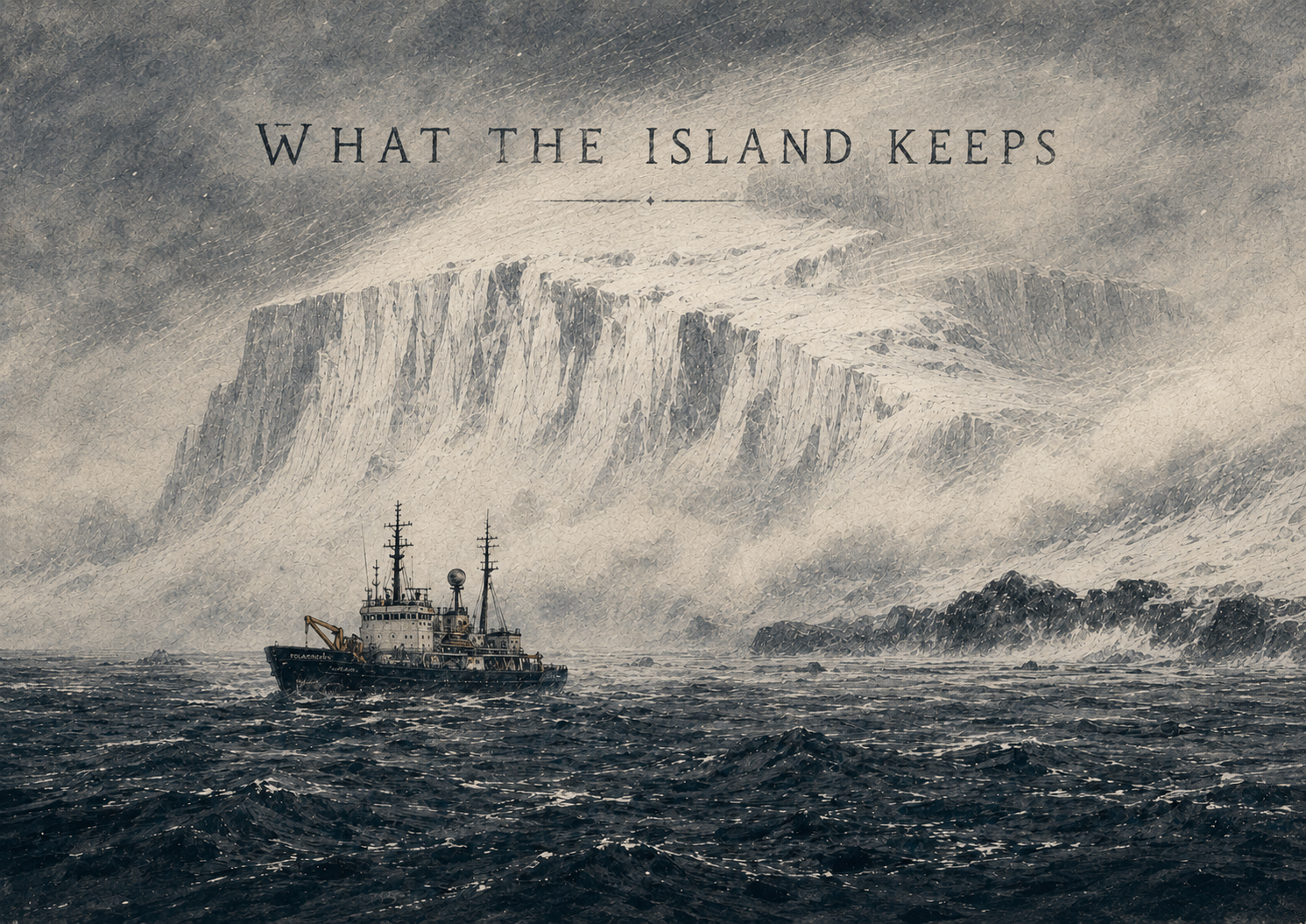
Isolation Has Consequences
Today we complain when Wi-Fi stops working for ten minutes.
In the early twentieth century, Tristan da Cunha had a bigger problem. The island had no regular communication with the outside world.
- No radio station
- No internet
- No daily shipping traffic
Information arrived only when ships arrived. And ships did not arrive often.
Months Behind the World
After the Armistice ended World War I in November 1918, news took months to reach Tristan da Cunha.
By the time islanders learned the war was over, much of the world had already moved on to the next chapter.
Imagine discovering history long after everyone else has finished talking about it.
That was simply reality on Tristan.
Life at the Edge of Communication
The delay was not unusual. For much of its history, the island existed in a different rhythm from the rest of the world.
Global events happened. Eventually, news arrived. Sometimes much later.
Time moved differently when the nearest source of information was a ship over the horizon.

The Strange Perspective
The story feels almost impossible today. Modern technology gives us updates within seconds.
Yet just over a century ago, hundreds of people lived in a place where world-changing news could arrive months late.
Not because they ignored it. Because geography won.